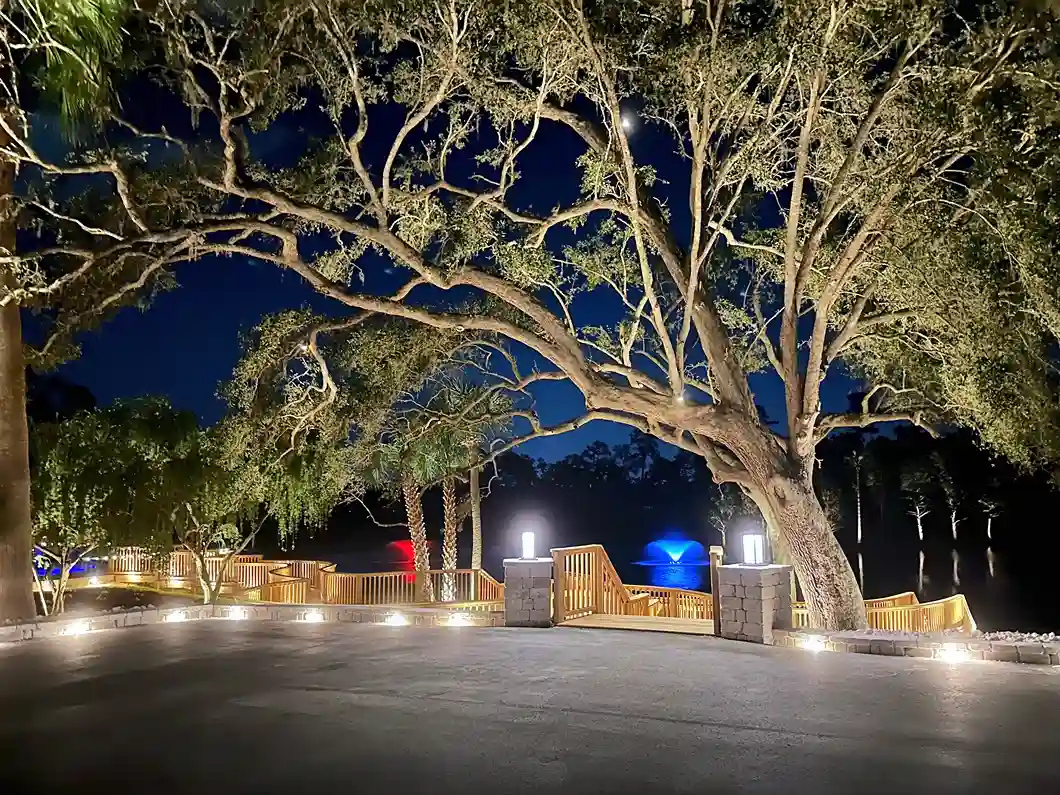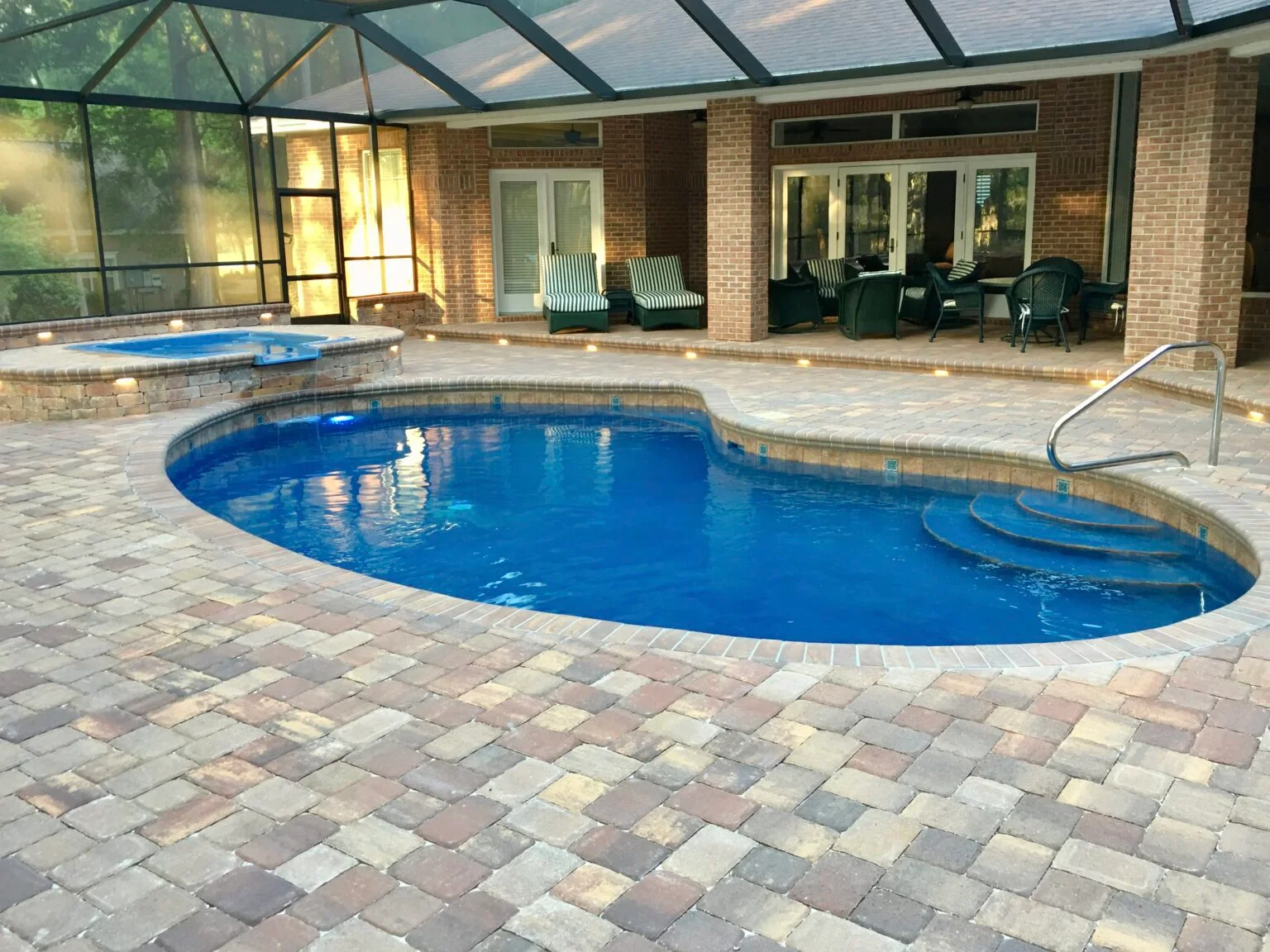
Beyond aesthetics, a meticulously maintained commercial landscape projects professionalism, fosters an inviting atmosphere, and increases property value. Clean walkways, healthy plants, and well-designed outdoor spaces leave a positive impression on clients and employees alike. Neglect, on the other hand, can lead to overgrown areas, safety issues, and costly repairs down the road.
Whether you oversee an office complex, healthcare facility, or retail property, understanding how to maintain your landscape is key to preserving both its appearance and function.
1. Schedule Regular Landscape Assessments
Routine evaluations are essential for identifying potential issues early. A detailed walk-through helps determine which areas need improvement, from plant health and soil quality to irrigation performance and safety hazards.
Regular check-ups allow property managers to proactively deal with things like adjusting watering, getting rid of sick plants, or making the layout look better and easier to get around.
2. Inspect and Maintain Irrigation Systems
A healthy landscape starts with proper watering. Over time, irrigation systems can develop leaks, broken sprinkler heads, or clogged lines that waste water and damage plants.
Inspect your system at least once a season. Look for pooling water, uneven coverage, or unusually dry spots. Cleaning filters, adjusting timers, and ensuring even distribution can help maintain consistent moisture levels and promote plant health.
If the system is outdated, consider modern upgrades such as smart irrigation controllers or drip systems that improve efficiency and conserve water.
3. Refresh Trees, Shrubs, and Hedges
Plants form the backbone of any commercial landscape. Trees provide shade and structure, while shrubs and hedges define boundaries and enhance visual appeal.
Regular pruning encourages healthy growth and prevents overgrowth that can block walkways or signage. Replacing weak or diseased plants with hardy, region-appropriate varieties keeps the landscape vibrant throughout the year.
Thoughtful selection of trees and shrubs based on sun exposure, soil type, and available space ensures a balanced, sustainable layout.
4. Prioritize Pest and Disease Management
Pests and plant diseases can quickly destroy even the most carefully planned landscape. Aphids, scale insects, fungal infections, and root rot are common threats that often go unnoticed until the damage becomes visible.
To protect plant health, monitor for early signs such as discolored leaves, stunted growth, or visible insects. Use eco-friendly pest management methods whenever possible, and promote natural pest resistance through proper watering, pruning, and soil health.
Taking care of things before they become a problem is always easier and cheaper than dealing with an infestation once it’s already here.
5. Perform Seasonal Clean-Ups and Mulching
Seasonal maintenance keeps commercial landscapes looking polished year-round. Removing fallen leaves, debris, and dead plant material helps prevent disease and improves curb appeal.
Mulching around trees, shrubs, and flower beds provides multiple benefits: it conserves soil moisture, regulates temperature, and suppresses weeds. Replace mulch at least once or twice a year, typically in spring and fall, to maintain its effectiveness and appearance.
Regular seasonal clean-ups prepare the property for changing weather conditions and reduce long-term wear on plants and soil.
6. Maintain Hardscapes and Pathways
Walkways, patios, retaining walls, and other hardscape elements are just as important as the greenery surrounding them. Cracked or uneven surfaces can create safety hazards and diminish the property’s overall appearance.
Inspect pathways regularly for damage, pooling water, or loose pavers. Prompt repairs prevent accidents and preserve the structure’s integrity. Ensuring good drainage and proper sealing helps extend the life of concrete, brick, or stone surfaces while maintaining a professional look.
7. Keep Landscape Design Updated
Even well-maintained landscapes can start to look outdated over time. Incorporating small design updates keeps the environment fresh and engaging.
Rotating seasonal plants, introducing planters near entrances, or adding decorative features such as lighting or benches can refresh the space without a major overhaul. Aligning landscaping elements with a company’s brand colors or architectural style enhances cohesion and reinforces a polished image.
A modern, thoughtful landscape design encourages positive impressions and contributes to a welcoming outdoor environment.
8. Adopt Sustainable Landscaping Practices
Sustainability is becoming a cornerstone of modern landscaping. Eco-friendly maintenance reduces water usage, minimizes waste, and supports long-term plant health.
Use native and drought-tolerant plants that thrive in Central Florida’s weather conditions with minimal irrigation. Incorporate composting to enrich soil naturally, and choose slow-release or organic fertilizers to reduce chemical runoff.
Smart irrigation systems and rain sensors can significantly lower water consumption. These sustainable methods not only benefit the environment but also demonstrate responsible property management.
9. Establish a Preventive Maintenance Routine
A preventive maintenance plan helps avoid costly repairs and keeps the landscape looking its best throughout the year. Create a schedule for checking irrigation lines, trimming plants, cleaning pathways, and monitoring pest activity.
Documenting these activities ensures consistency and helps track changes over time. Regular inspections also allow for adjustments in watering or fertilization based on seasonal conditions.
The goal is to prevent problems rather than react to them, which saves both time and resources.
10. Plan for Seasonal Transitions
Each season brings unique challenges for commercial landscapes. Preparing ahead ensures plants and outdoor structures remain healthy year-round.
- Spring: Focus on cleaning, replanting, and refreshing mulch.
- Summer: Monitor irrigation efficiency and control pests.
- Fall: Prune overgrown branches and remove fallen debris.
- Winter: Protect sensitive plants and check drainage systems for blockages.
Proactive seasonal care promotes long-term plant resilience and keeps the property attractive in every season.
Conclusion
Maintaining a commercial landscape requires consistent attention, planning, and a good understanding of plant care. Regular inspections, proper irrigation, seasonal clean-ups, and sustainable practices all contribute to a healthy, professional-looking outdoor space.
By prioritizing preventive maintenance and staying attentive to seasonal needs, property owners can create a landscape that enhances their brand image, supports environmental health, and provides lasting value for years to come.
FAQs
- How often should a commercial landscape be maintained?
Most commercial properties benefit from weekly or biweekly care, depending on plant types, location, and season. Consistency helps prevent overgrowth and maintain a tidy appearance. - What are the most common commercial landscape maintenance tasks?
Typical tasks include mowing, pruning, irrigation checks, pest management, seasonal planting, and debris removal. Each task supports the overall health and appearance of the property. - How can irrigation systems be made more efficient?
Inspect systems regularly for leaks or clogs. Upgrading to smart controllers or drip irrigation reduces water waste and ensures even distribution. - How can pests and diseases be prevented in commercial landscapes?
Monitor plant health regularly, use organic treatments when needed, and encourage biodiversity with native plant selections. Proper pruning and soil care also prevent many common issues. - Why is sustainable landscaping important for businesses?
Sustainable practices conserve resources, reduce maintenance costs, and demonstrate environmental responsibility—qualities increasingly valued by employees, clients, and the community.